

Key takeaways
- Three steps in order: wash with hot soapy water, kill the growth with a vinegar or hydrogen peroxide soak, then dry it fully open for at least 24 hours.
- Drying is the step people skip, and it is the one that decides whether the smell comes back on Wednesday.
- Baking soda absorbs odor but kills nothing. It goes last, on a dry bag, not first.
- Never mix bleach with vinegar. Pick one and rinse well before the other touches anything.
- If the smell returns within a week of a full clean, the mildew is living inside the foam insulation and the bag is done.
What’s in this guide
- Why does a lunch box smell like mildew?
- How do you get the mildew smell out of a lunch box?
- Does baking soda or vinegar work better?
- Can you put an insulated lunch box in the washing machine?
- How do you clean a hard plastic or bento lunch box?
- What if the smell keeps coming back?
- How do you stop it from happening again?
- Frequently asked questions
Wash it, kill what’s growing in it, then dry it completely. Hot water and dish soap first, a 1:1 white vinegar and water soak or a spray of 3% hydrogen peroxide second, then 24 hours propped wide open in front of a fan. Baking soda comes at the end, and only on a bag that is already bone dry.
The reason most people fail is that they do the cleaning part and stop there. A damp foam liner smells like mildew again in two days no matter how well you scrubbed it. Updated for the late-August back-to-school stretch, when these bags come out of a closet after ten weeks off.
Why does a lunch box smell like mildew?
The smell is a byproduct of mold and bacteria living in trapped moisture, usually inside the foam insulation rather than on the surface you can see. Those colonies release microbial gases as they feed, and that musty basement note is what you’re breathing when you unzip the bag.
Insulated lunch boxes are built to hold moisture in. There’s an outer fabric shell, a layer of closed or open cell foam, and a coated inner liner, all stitched or glued together at the seams. Condensation from an ice pack, a leaking yogurt, or a sweaty water bottle wicks into the seams and sits there in the dark.
A bag that got zipped shut on a Friday and left in a closet all summer is the classic case. So is a bag that gets wiped out every night but never actually dries.
How do you get the mildew smell out of a lunch box?
Work in this order. Skipping ahead to the odor absorber is why it comes back.
1. Empty it and take out everything removable. Ice packs, containers, the plastic tray insert, any elastic bottle sleeve. Shake the crumbs out over a trash can and run a vacuum crevice tool along the seams.
2. Wash with hot water and dish soap. Dish soap is a surfactant, which means it lifts the greasy biofilm that mold and bacteria hide under. Use a cloth for the flat panels and an old toothbrush for the seams, corners, and the underside of the zipper track.
3. Rinse and wring out the cloth, then wipe the soap residue away. Leftover soap gives the next colony something to eat.
4. Kill what’s left. Mix white vinegar and water 1:1 in a spray bottle, coat the inside, and let it sit 10 to 15 minutes before wiping. Plain 3% hydrogen peroxide straight from the brown bottle also works and is gentler on colored liners.
5. Dry it completely, and give it longer than feels necessary. Prop the bag open with a rolled towel or a couple of cans so the mouth stays wide, point a fan at it, and leave it 24 hours. A sunny windowsill helps, because UV does real work on surface mold.
6. Only now, if a faint smell lingers, put a quarter cup of baking soda in an open container inside the dry bag, close it, and leave it overnight.
One safety note that matters more than the rest: do not mix bleach with vinegar, and do not spray one after the other without a full water rinse in between. That combination releases chlorine gas.
Does baking soda or vinegar work better?
They do different jobs, so the question is really what order to use them in. Vinegar is a mild acid that damages mold on hard, nonporous surfaces. Baking soda is an absorbent that traps acidic odor molecules already floating around.
If you only use baking soda, you’re deodorizing a live colony. The smell drops for a day or two and then comes right back, because nothing killed the thing producing it.
If you only use vinegar, you may kill the growth and still smell a ghost of it in the foam. That’s what the baking soda step is for. Kill first, absorb second, and dry between the two.
Can you put an insulated lunch box in the washing machine?
Some, carefully, and never in the dryer. Check the care tag first, and check whether the bag has a cardboard or stiff plastic panel in the base, because that panel will warp or disintegrate.
If it’s fully fabric and foam, put it in a mesh laundry bag, run a cold gentle cycle with regular detergent, and skip the fabric softener. Softener leaves a coating that holds moisture, which is the opposite of what you want here.
Machine drying is where lunch boxes die. The heat softens the adhesive holding the liner to the foam, and the liner starts to bubble and peel away from the shell. Air dry only, propped open, same 24 hour rule. That same principle applies to anything with a bonded lining, including the waterproof winter boots you’re about to pull out of storage in a few weeks.
How do you clean a hard plastic or bento lunch box?
Hard plastic is the easy case. Run it through the dishwasher on a hot cycle with heated dry, or hand wash it in hot soapy water and then wipe the inside with the vinegar solution.
Pay attention to the silicone gasket in the lid. Most snap-lid bento boxes have a removable seal, and the groove underneath it collects water and food residue that never dries. Pull the gasket out, wash both parts, and let them dry separately before you snap it back in.
Stained plastic that still smells after washing responds well to sunlight. Leave it open on a porch or windowsill for a few hours.
Bento Box Adult Lunch Box

A sealed bento container with a real gasket is the single best defense against a mildewed bag, because most lunch box smells start as a leak. Four compartments and a separate sauce jar mean wet food stays away from the lid seam. It’s dishwasher safe, which matters more than any other spec on a lunch container.
- 4 sealed compartments plus a separate sauce jar
- Microwave and dishwasher safe, 40 oz capacity
What if the smell keeps coming back?
If a full wash, kill, and dry cycle buys you less than a week, the growth is inside the insulation where nothing you spray can reach it. At that point you’re deodorizing the outside of a sealed sandwich, and no amount of repeat cleaning changes that.
Two other signs the bag is finished: visible dark speckling under a liner that has started to separate, and a liner that stays tacky after it dries. Both mean water has been sitting in the foam long enough to break down the adhesive.
Replacing it is the cheap answer. Repeated attempts cost you enzyme spray, a weekend, and a kid who won’t eat lunch out of a bag that smells. If you’re sizing a replacement for a younger child, the lunch box capacity breakdown for kindergarteners covers what actually fits.
Champion Kids' Backpack and Lunch Box Set
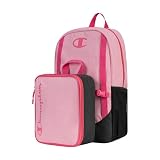
If the lunch box is done and the backpack has seen better days too, a matched set gets both replaced at once. This one pairs an insulated lunch box with a padded-strap backpack that has a laptop compartment and a side bottle pocket, which keeps the wet thing outside the bag. Champion is a known name, so the zippers and stitching are a step above no-name school sets.
- Insulated lunch box paired with a laptop-compartment backpack
- Padded straps and an external water bottle pocket
How do you stop it from happening again?
Unzip it every single night. That one habit prevents more mildew than any cleaning product, because a bag that dries out for eight hours never gives mold the standing moisture it needs.
The rest is small stuff that adds up:
- Wipe the inside dry with a paper towel when you unpack, especially around the ice pack.
- Dry the ice pack itself. Condensation on the outside of a frozen pack is where a lot of the water comes from.
- Use containers that genuinely seal, and keep soup and yogurt in the ones with gaskets.
- Don’t store a wet water bottle inside the bag overnight.
- Once a month, do the vinegar wipe as maintenance rather than as a rescue.
School-year laundry problems tend to arrive in batches, and the fix is usually a method rather than a product. The same is true of grass stains on white socks, where the right sequence beats an expensive spray every time. If you’re restocking gear for fall anyway, the current deals hub is worth a scan before you buy at full price.
Frequently asked questions
Will a dishwasher kill mold in a lunch box?
In a hard plastic box, yes. A hot wash plus heated dry handles surface mold and, more importantly, leaves the box dry. An insulated fabric bag should never go in a dishwasher, because the heat and spray will delaminate the foam liner.
Is it safe to use bleach on a lunch box?
Diluted bleach works on hard, nonporous white plastic if you rinse it thoroughly afterward. Skip it on fabric liners, where it strips color and leaves a residue against food. Never combine it with vinegar or an ammonia cleaner, in the same session or the same rinse water.
How long does the vinegar smell stick around?
A few hours once the bag is fully dry, and it fades faster with air moving over it. If you still smell vinegar the next morning, the bag wasn’t dry, which means the mildew problem isn’t solved either.
Is a moldy lunch box dangerous for a kid?
A musty smell alone is mostly an unpleasant-food problem rather than an emergency, but visible mold growth touching food is worth avoiding. Clean it before the next use, and replace the bag if you can see growth in the foam or under a peeling liner.
Do odor-absorbing sprays and charcoal bags fix this?
They mask or absorb, they don’t kill. Charcoal is fine as a maintenance step in a clean, dry bag, and scented sprays just layer perfume over mildew. Do the wash and kill steps first, then decide if you still need anything.
The whole job takes about fifteen minutes of hands-on work and then a day of patience. That day is the part that decides whether you’re doing this once or every other week, so resist the urge to zip it up and pack it before the foam is truly dry.
And if the smell comes back fast after all that, stop fighting it. A liner that has been wet long enough to breed mildew in the foam has already told you what it needs, and it isn’t more vinegar.