


Key takeaways
- The smell is not chlorine. It’s chloramines, formed when pool chlorine reacts with sweat, body oils, sunscreen, and urine, and they cling to swim fabric.
- Rinsing in cold water within a few minutes of getting out of the pool removes most of it before it ever sets.
- For a suit that already reeks, soak 20 to 30 minutes in cool water with about a quarter cup of white vinegar per quart, rinse, then hand wash with a small amount of mild liquid detergent.
- Never use hot water, bleach, fabric softener, or the dryer. Each one damages the elastane and helps set the odor.
- If the smell survives a proper wash, you’re usually dealing with mildew in the liner or fibers that are already chlorine-damaged.
What’s in this guide
- Why do swimsuits smell like chlorine even after washing?
- What’s the fastest way to get the chlorine smell out?
- Does a vinegar soak really work on swimsuits?
- Can you use baking soda or vitamin C instead?
- What should you never do to a chlorine-soaked swimsuit?
- How do you get chlorine smell out of swim trunks with a liner?
- Do swimwear-specific washes beat what’s already under your sink?
- What if the smell won’t come out at all?
- Frequently asked questions
Rinse the suit in cold water as soon as you’re out of the pool, then soak it for 20 to 30 minutes in cool water with white vinegar (about a quarter cup per quart of water) or a crushed vitamin C tablet, rinse again, and hand wash with a small squeeze of mild liquid detergent. Roll it in a towel and dry it flat in the shade. That sequence handles the smell in almost every case.
The part most people get wrong is the temperature and the timing. Warm water and a hot dryer bake the odor compounds into the fibers, and a wet suit left balled up in a beach bag for six hours turns a chlorine smell into a chlorine-plus-mildew smell. Updated for July 2026, mid pool season, when this problem shows up three times a week.
Why do swimsuits smell like chlorine even after washing?
Because what you’re smelling isn’t chlorine at all. It’s chloramines, the compounds that form when pool chlorine bonds with the stuff people bring into the water: sweat, skin oils, sunscreen, lotion, and urine. A well-maintained pool with a light chemical smell has fewer of them than a pool that smells strongly of “chlorine.”
Those compounds are oily and they park themselves in the fibers, especially in the lining and the seams where body oil collects. A normal cold rinse moves the water out, but it doesn’t lift the oil, so the smell comes back as the suit dries. That’s the same reason sweat odor survives a regular wash cycle in a t-shirt, and it’s why underarm buildup in white shirts needs a soak rather than more detergent.
Polyester and PBT swim fabrics make this worse in one specific way. They hold up beautifully against chlorine damage, but they attract body oils more readily than nylon does, so a “chlorine-resistant” suit can still be the smelliest one in the pile.
What’s the fastest way to get the chlorine smell out?
Cold water, immediately, in the pool shower or a poolside spigot. Sixty seconds of rinsing while the suit is still on your body removes the bulk of the chloramines before they have time to dry into the fabric. This one habit prevents more odor than any product you can buy.
When you get home, do a second cold rinse in the sink and gently squeeze water through the fabric with your hands. Don’t twist or wring it. Press the water out, then move on to the soak if the smell is still there.
If you’re at a hotel or campground with no sink, at minimum hang the suit up wet somewhere with air movement. Damp fabric sealed in a plastic bag or a wet-suit pouch will grow bacteria within hours, and that smell is harder to remove than the chlorine one.
Does a vinegar soak really work on swimsuits?
Yes, and it’s the cheapest fix that reliably works. Fill a sink or bowl with cool water, add about a quarter cup of plain white vinegar per quart, submerge the suit, and leave it 20 to 30 minutes. The mild acid helps release the odor compounds and the mineral residue that pool water leaves behind.
Rinse thoroughly afterward, then hand wash with a small amount of gentle liquid detergent to lift the oils the vinegar loosened. Skipping the detergent step is why some people say vinegar “didn’t work” for them. The acid does the releasing, the surfactant does the removing.
Two limits worth knowing. Don’t leave a suit soaking in vinegar overnight, since prolonged acid exposure is hard on elastane, and don’t use vinegar undiluted. Half an hour in dilute solution is plenty.
Can you use baking soda or vitamin C instead?
Both work, and vitamin C is the quiet standout. Ascorbic acid neutralizes chlorine and chloramines chemically, which is why it’s used to dechlorinate water in commercial settings. Crush one 500 mg plain vitamin C tablet into a sink of cool water, soak the suit 15 to 20 minutes, then rinse and wash as usual.
Baking soda is the better pick when the suit smells musty rather than chemical. Dissolve a couple of tablespoons in cool water, soak 30 minutes, rinse, wash. It’s alkaline, so it targets a different kind of odor than vinegar does.
Do not combine baking soda and vinegar in the same soak. They neutralize each other and you end up with salty water and a fizz show. Pick one, rinse it out, and only then try the other if the first didn’t finish the job.
What should you never do to a chlorine-soaked swimsuit?
Four things, and every one of them is common. Hot water, chlorine bleach, fabric softener, and the clothes dryer.
Hot water and dryer heat set odor compounds into synthetic fibers and cook the elastane, which is what turns a suit baggy and see-through in the seat. Bleach is chlorine, so you’d be adding the exact chemistry you’re trying to remove, on top of destroying the stretch. Fabric softener coats fibers with a film that traps oils and odor, then blocks the next wash from reaching them.
Also skip the washing machine’s normal cycle and skip wringing. Hand washing in cool water is genuinely faster than the machine for a single suit, and if you do machine wash, use a mesh bag on cold delicate with a small dose of detergent. Then dry flat in the shade, since direct sun and residual chlorine together degrade the fabric faster than either alone.
How do you get chlorine smell out of swim trunks with a liner?
Focus on the mesh liner, because that’s where the smell lives. Turn the trunks inside out before you soak them so the liner gets full contact with the vinegar or vitamin C water, and rub a drop of liquid detergent directly into the liner and gusset with your fingers.
Mesh liners dry slowly and stay pressed against the shell fabric, which is a good setup for bacteria. After washing, pull the liner out and away from the shell so both layers get air on both sides. A hanger with the liner draped outside the trunks works better than a flat towel here.
If a pair of trunks smells fine when dry but turns sour the moment it gets wet again, that’s bacterial, not chemical. Redo the soak with baking soda instead of vinegar and make sure the trunks are bone dry before they go in a drawer.
Do swimwear-specific washes beat what’s already under your sink?
They work, but they’re solving convenience, not chemistry. Most swim washes rely on the same principles as a vinegar soak plus a mild surfactant, packaged into one step. If you swim daily and want to skip the soak, they’re a reasonable buy. If you’re washing a suit twice a week, the bottle in your laundry room does the job.
What matters more than the brand is the type. Use a small amount of liquid detergent for hand washing, not a pod, because pods are dosed for a full machine load and don’t dissolve well in a cool sink. Fragrance-free is the smarter choice too, since a heavy perfume sitting on top of chloramines just gives you a new smell to notice.
Tide Original Liquid Detergent
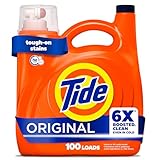
A cold-water liquid detergent is the right tool for hand washing swimsuits, since you can dose a tiny amount and it dissolves fully in cool water. One capful goes a long way on a single suit. The same bottle handles the pool towels afterward.
- Formulated to clean in cold water
- 125 fl oz bottle, about 100 loads
Mrs. Meyer's Lavender Laundry Detergent

If you’d rather not have a strong detergent scent sitting on swim fabric, a plant-derived liquid is a gentler option for hand washing suits and rash guards. It rinses out cleanly, which matters when residue is part of the odor problem.
- Plant-derived liquid formula
- Rinses clean for hand-washed delicates
all Free Clear Mighty Pacs

all Unit Dose Laundry Detergent, Mighty Pacs, Free Clear, Odor Relief, 72 Count
Pool towels pick up the same chloramine smell as the suits and they go through the machine, where pods make sense. A fragrance-free, dye-free pac is a good fit for towel loads and for anyone whose skin reacts to pool chemicals plus perfume.
- Fragrance-free and dye-free
- 72 pacs for pool towel loads
One more thing worth skipping: running a diffuser or air freshener near the drying rack. Masking odor in a room does nothing to the fabric, though diffuser oils have their place elsewhere in the house. You can also compare current household and laundry picks on our deals hub if you’re restocking for the rest of the season.
What if the smell won’t come out at all?
A suit that still smells after a soak and a proper hand wash usually has one of two problems. Either mildew has taken hold in the lining from repeated damp storage, or the fibers are chlorine-damaged and the odor is embedded in fabric that’s already breaking down.
Check the suit with your hands. Chalky or slightly stiff fabric, lost stretch at the leg openings, thin spots in the seat, and faded color at the seams all point to chlorine degradation. At that point no soak brings it back, and a heavily used suit that swims several times a week typically has a season or two in it.
For mildew, one more round helps: a 30-minute baking soda soak, a thorough rinse, then drying completely flat with airflow on both sides for a full day. If it still smells, retire it to the yard-work pile. Chlorine is rough on more than fabric, and if pool season is doing a number on your hair as well as your swimwear, the rinse-immediately rule applies there too.
Frequently asked questions
Does vinegar ruin swimsuits?
Not in a diluted, short soak. About a quarter cup of white vinegar per quart of cool water for 20 to 30 minutes is safe for nylon, polyester, and elastane blends. Avoid undiluted vinegar and avoid overnight soaks, since extended acid contact is hard on stretch fibers.
Can I put my swimsuit in the washing machine?
You can, if you use a mesh bag, the cold delicate cycle, and a small amount of liquid detergent. Hand washing is gentler and honestly faster for one suit. Never put swimwear in the dryer, because the heat destroys elastane and sets odor.
How do I get the chlorine smell out of a swimsuit after washing?
Washing alone often doesn’t remove the oily chloramine residue, so go back and soak it. Use cool water with vinegar or a crushed vitamin C tablet for 20 minutes, rinse thoroughly, then hand wash with a little liquid detergent and dry flat with airflow on both sides.
Should I use baking soda or vinegar?
Vinegar for a sharp chemical smell and pool mineral residue, baking soda for musty or sour smells from damp storage. Use one at a time and rinse in between. Mixing them in the same water cancels both out.
Does the chlorine smell mean my suit is damaged?
Not on its own. Damage shows up as chalky fabric, lost stretch at the legs and straps, thin see-through spots, and fading at the seams. A suit that smells but still snaps back and holds its shape is fine, and a soak plus a wash will fix it.
The whole thing comes down to one habit and one backup. Rinse in cold water before the suit dries, every single time, and keep white vinegar or plain vitamin C tablets near the laundry sink for the days you forget. That’s the entire system, and it costs almost nothing.
Hang a hook or a small drying rack somewhere out of direct sun, near a fan or an open window, and use it for suits and towels all summer. Damp storage causes more swimwear smell than pool chemistry ever does.